
Episode 1
A City Living with a Volcano
Plumes of smoke rise from Sakurajima,and time flows quietly in Kagoshima.
Sakurajima is the symbol of Kagoshima, at times displaying the fierce power of nature. Its eruptions, accompanied by tremors, evoke both awe and reverence.
Yet Sakurajima brings many blessings. Unique products such as Sakurajima daikon radish and small tangerines are local specialties Kagoshima proudly shares with the nation.
Its abundant geothermal heat gives rise to hot springs that soothe both body and soul.
The people of Kagoshima live with Sakurajima, embracing both its threats and its gifts with gratitude and resolve.
Sakurajima is not just a volcano, but a symbol of the deep bond between people and nature.
Plumes of smoke rise from Sakurajima,and time flows quietly in Kagoshima.
Sakurajima is the symbol of Kagoshima, at times displaying the fierce power of nature. Its eruptions, accompanied by tremors, evoke both awe and reverence.
Yet Sakurajima brings many blessings. Unique products such as Sakurajima daikon radish and small tangerines are local specialties Kagoshima proudly shares with the nation.
Its abundant geothermal heat gives rise to hot springs that soothe both body and soul.
The people of Kagoshima live with Sakurajima, embracing both its threats and its gifts with gratitude and resolve.
Sakurajima is not just a volcano, but a symbol of the deep bond between people and nature.

火山灰アート

Volcanic Sand Art
植村 恭子
Kyoko Uemura
While it may seem natural to associate falling volcanic ash with something negative, Ms. Uemura sees it differently. Her volcanic ash art began after the 2016 Kumamoto earthquake. Working at the Sakurajima Visitor Center, she drew Kumamoto’s mascot with volcanic ash on the ground to raise funds for disaster relief. The strong public response encouraged her to pursue the art more seriously.
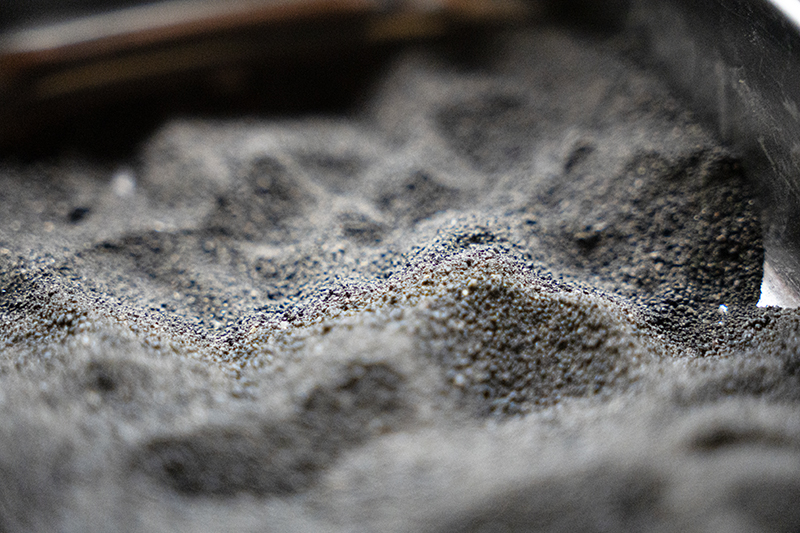
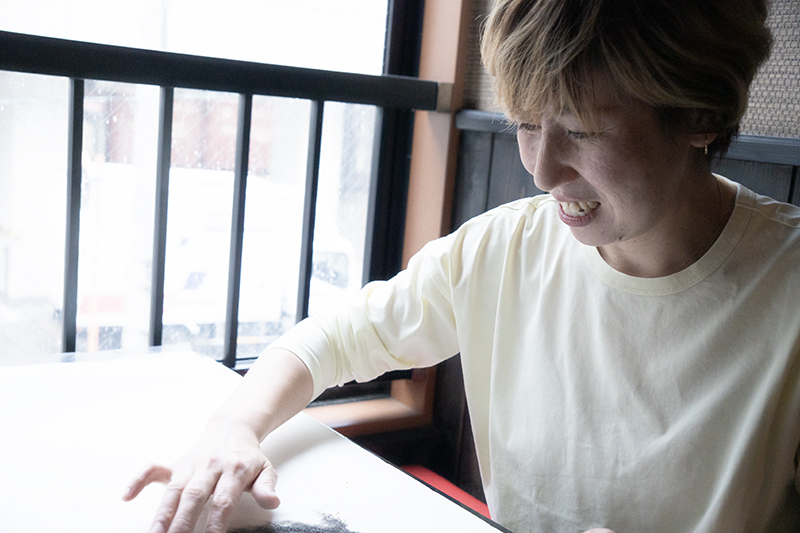
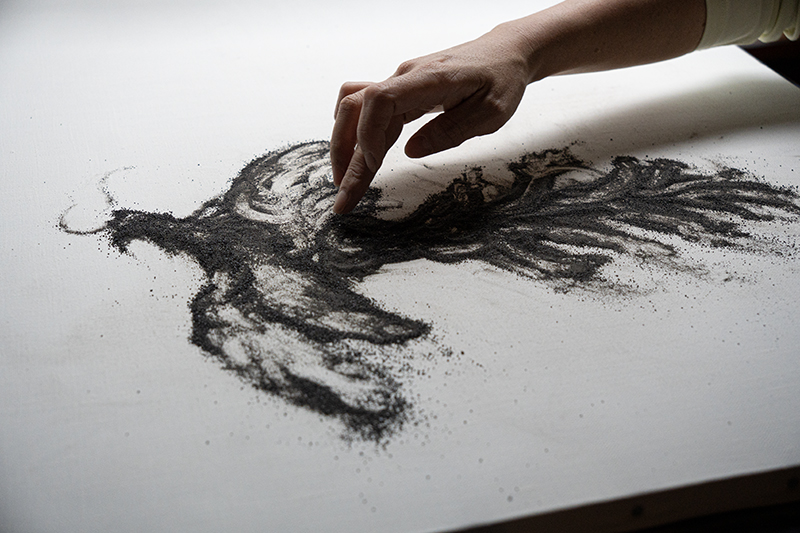
She uses volcanic ash just as it falls from the sky. The grain size varies day by day, adding uniqueness to each piece. Brought to life by Ms. Uemura’s hands, the ash transforms into ever-changing shapes that bring smiles to viewers. She has succeeded in turning volcanic ash into something positive.
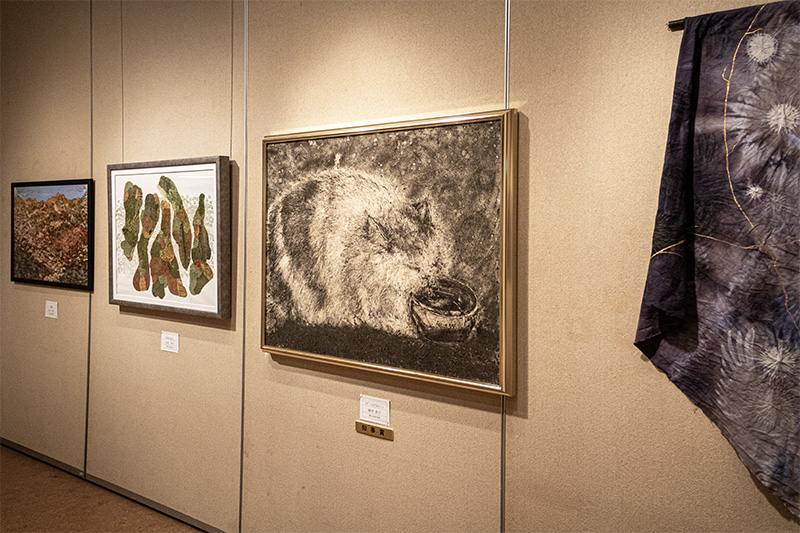
Her art accelerated after she discovered a way to fix the ash onto oil painting canvas. In 2025, her work earned her the Governor’s Prize at a Kagoshima art exhibition. Her art continues to evolve.
曼荼羅アート
Mandala Art
當山 裕子
Yuko Toyama
Many Japanese people are good at harmonizing with others but find it difficult to express themselves. Ms. Touyama, a mandala art instructor, encourages her students with a smile: “Express yourself freely—at least when it comes to mandala art.” There are no strict rules in mandala art. Though the base is a radial design, one can use any colors and patterns, placing ink mindfully to eventually discover personal expression.
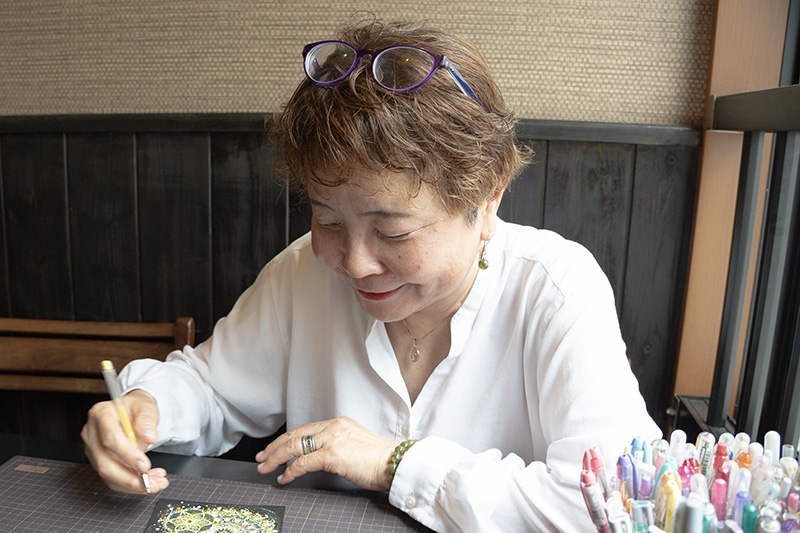
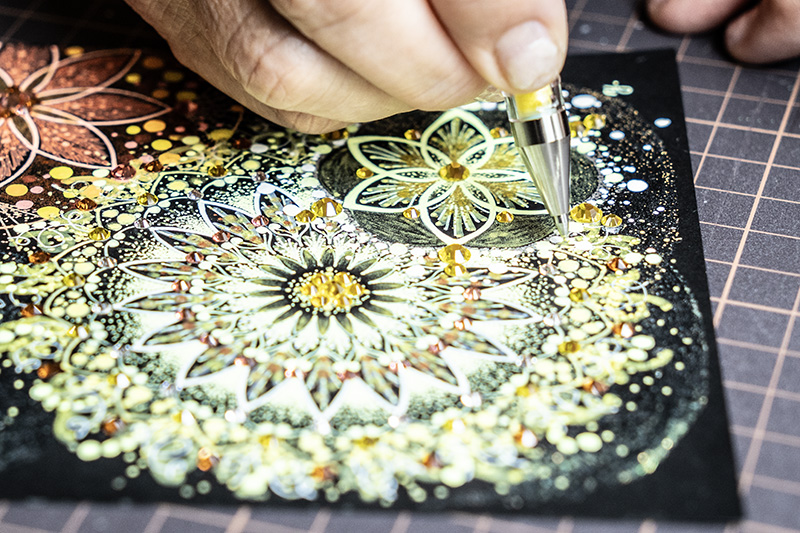
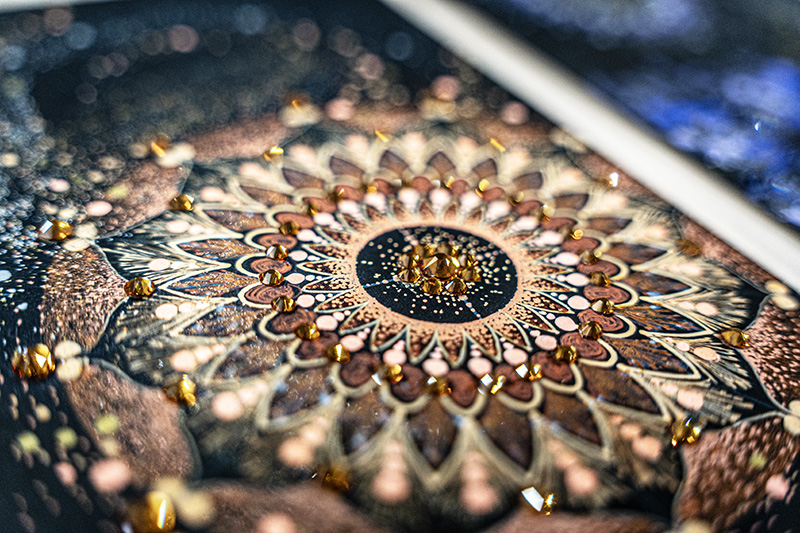
It is said that drawing with a clear mind leads to mindfulness. Viewers of mandalas are also said to feel calm and reassured due to the symmetry and balance. Originally from Kyoto, Ms. Touyama finds inspiration in Sakurajima’s form and its powerful smoke, often incorporating them into her works.
She finishes her pieces with scattered Swarovski crystals. The radiance her felt in that moment is expressed through mandala art of various sizes.

Episode 2
The Ultimate Traditional Textile
Long ago, weaving techniques arrived from the mainland and evolved uniquely in Japan. Among many textiles, Oshima Tsumugi stands apart.
Oshima Tsumugi, originating from Amami Oshima in Kagoshima Prefecture, is one of Japan’s finest silk fabrics. With a history of over 1,300 years, it was cherished as a tribute item by the Satsuma Domain during the Edo period.
Its hallmark is the “kasuri” (ikat) pattern, created by dyeing each thread individually. To create patterns on each individual thread, cotton threads are first woven in to prevent the dye from penetrating.
The woven cloth is then mud-dyed, unraveled back into threads, and woven again with precise alignment of warp and weft to form the final pattern.
With over 30 steps, all done through division of labor, a single misstep renders the cloth unsuitable for high-grade products.
The mud dyeing process, a key step, produces a deep brown-black color through the reaction between iron and plant-based dyes.It is a richly layered color, naturally derived.
It can take over six months to complete one bolt of cloth. A fusion of painstaking craftsmanship and calculated beauty, Oshima Tsumugi is truly an art of weaving.
Long ago, weaving techniques arrived from the mainland and evolved uniquely in Japan. Among many textiles, Oshima Tsumugi stands apart.
Oshima Tsumugi, originating from Amami Oshima in Kagoshima Prefecture, is one of Japan’s finest silk fabrics. With a history of over 1,300 years, it was cherished as a tribute item by the Satsuma Domain during the Edo period.
Its hallmark is the “kasuri” (ikat) pattern, created by dyeing each thread individually. To create patterns on each individual thread, cotton threads are first woven in to prevent the dye from penetrating.
The woven cloth is then mud-dyed, unraveled back into threads, and woven again with precise alignment of warp and weft to form the final pattern.
With over 30 steps, all done through division of labor, a single misstep renders the cloth unsuitable for high-grade products.
The mud dyeing process, a key step, produces a deep brown-black color through the reaction between iron and plant-based dyes.It is a richly layered color, naturally derived.
It can take over six months to complete one bolt of cloth. A fusion of painstaking craftsmanship and calculated beauty, Oshima Tsumugi is truly an art of weaving.
大島紬
Oshima Tsumugi
大瀬商店
Oose Shouten
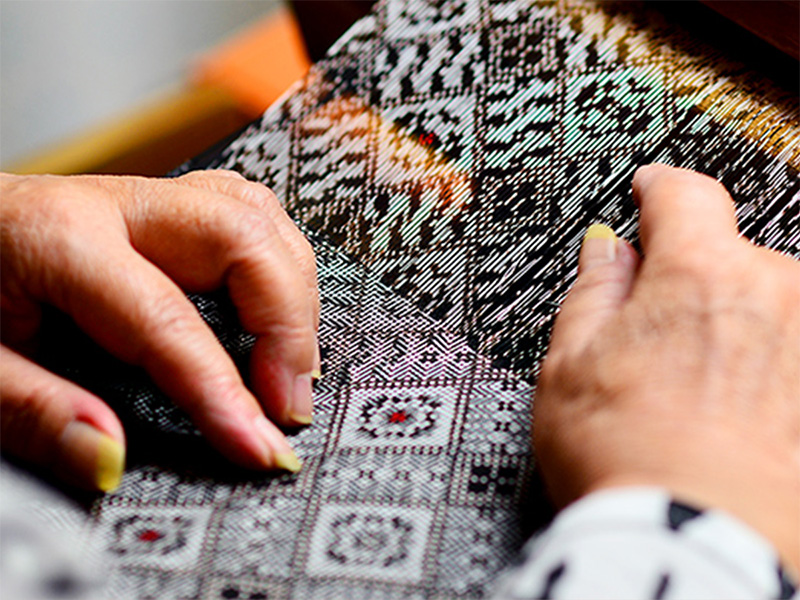
Oose Shouten, a long-established textile company in Kagoshima City, has been producing authentic Oshima Tsumugi since 1930.Even today, they preserve traditional methods, with skilled artisans carefully weaving each bolt of fabric one by one on classic handlooms, just as they did in the past.
The tension of working under conditions where even a single misalignment is unacceptable speaks to the artisans’ passion and calm, focused spirit.
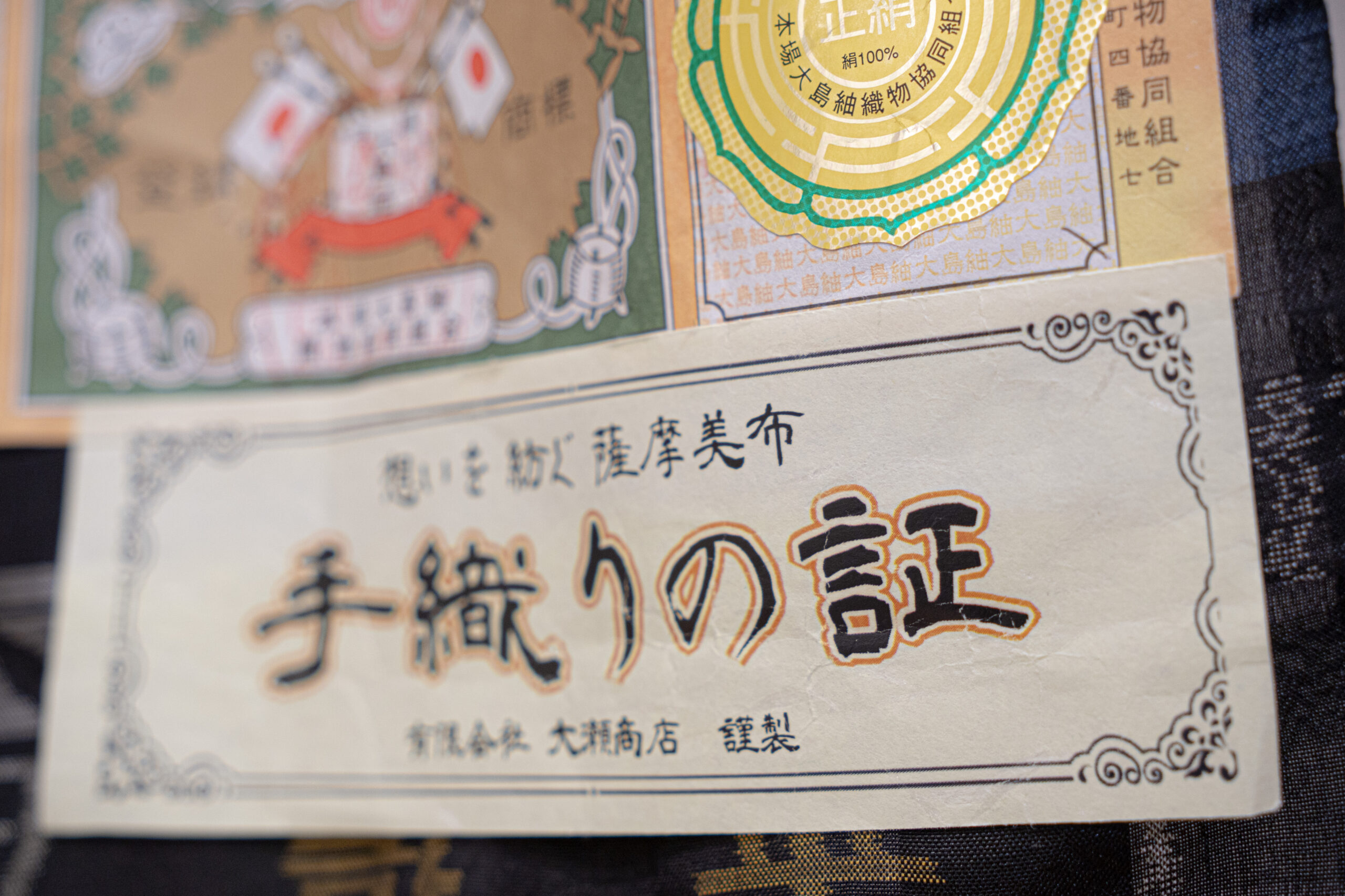
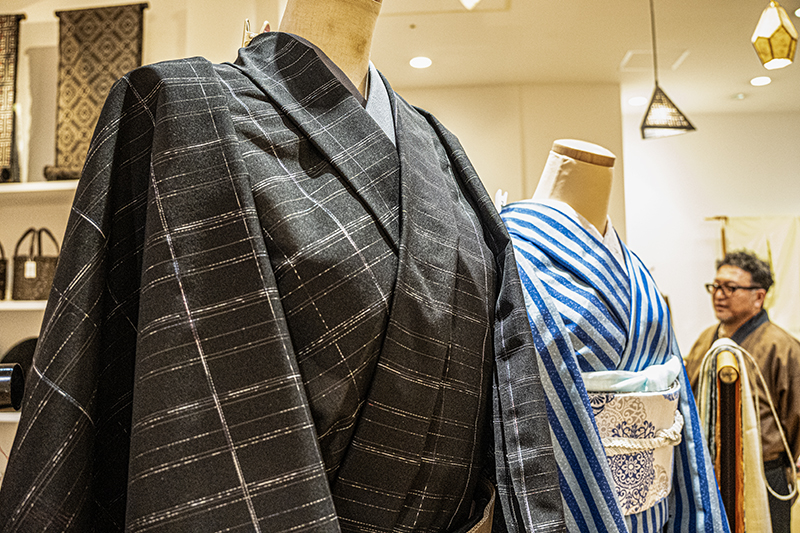
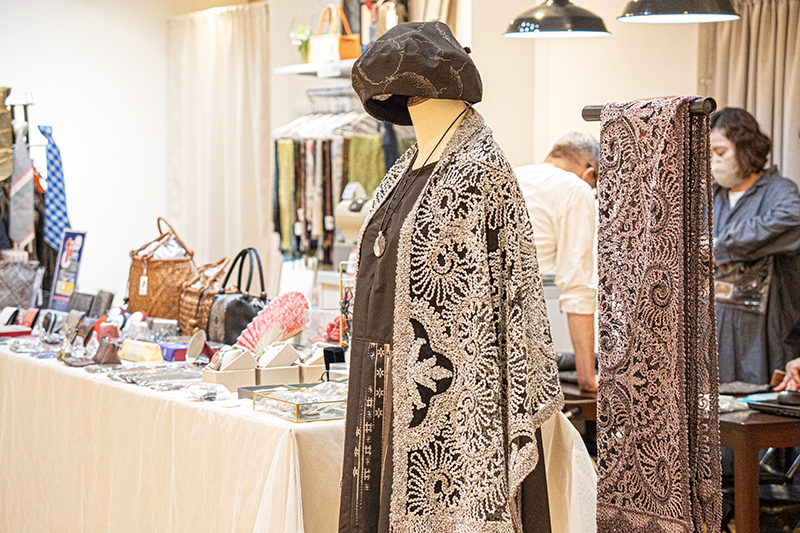
At their shop “PONGEE” in Kagoshima City, they introduce Oshima Tsumugi not only through kimono but also through lifestyle products like wallets, ties, lighting covers, and art boards that reflect the textile’s artistic appeal. The bright store and courteous service help make this luxurious fabric feel more approachable.
泥染め
Mud dyeing
肥後染色
Higo Senshoku
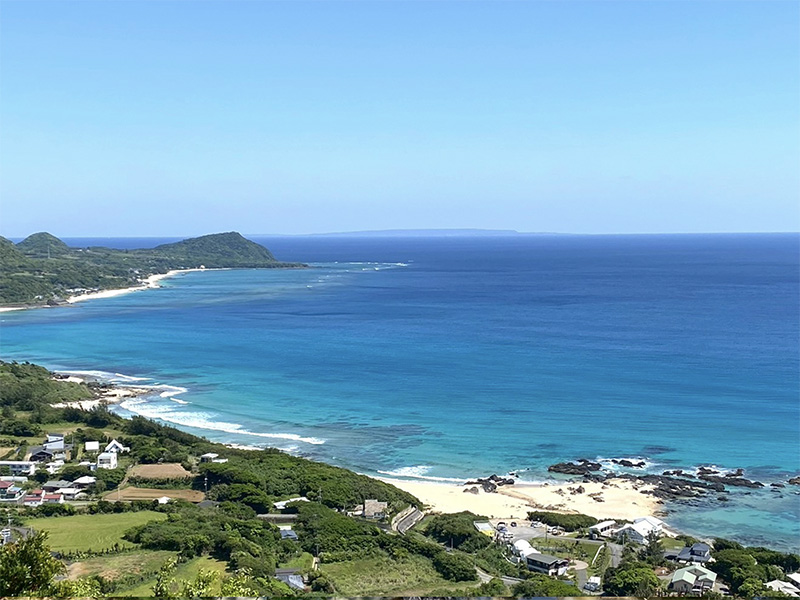
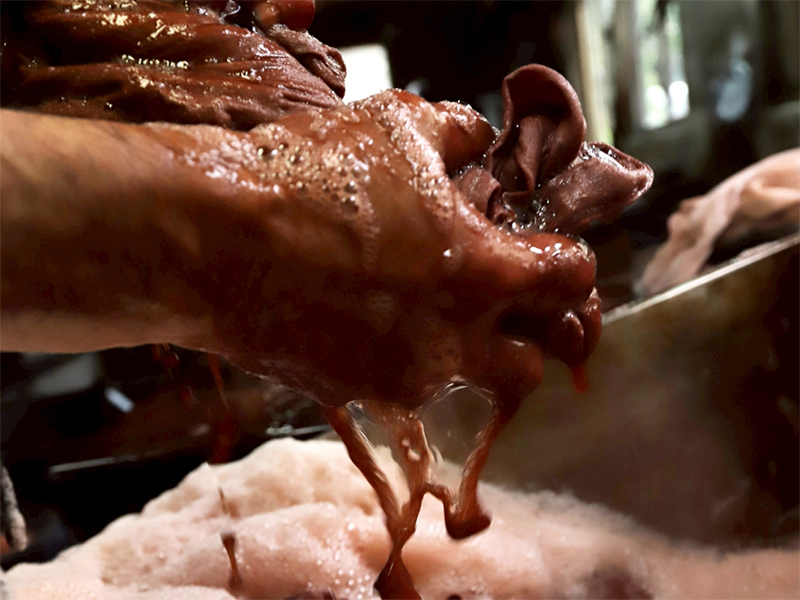
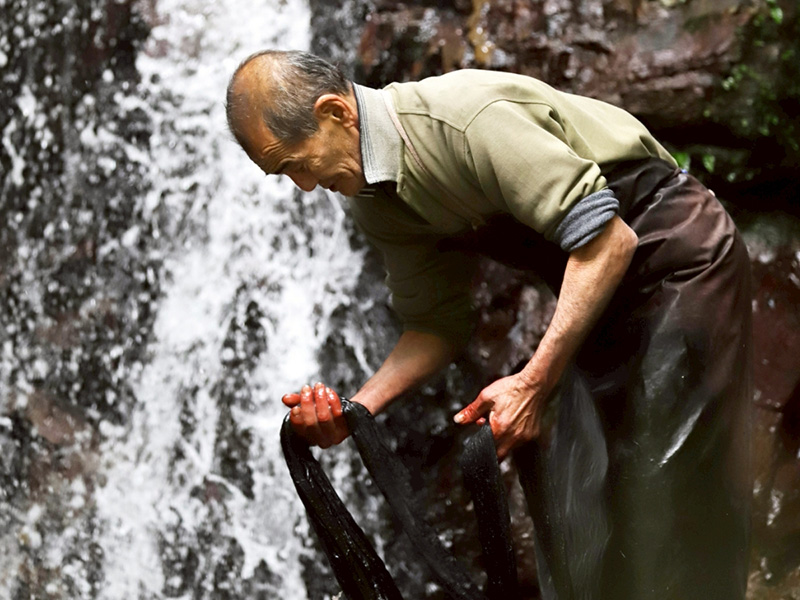
Surrounded by beautiful sea, Amami Oshima is home to Higo Senshoku founded by the Higo brothers in 1973 in Tatsugo Town. Focused solely on mud dyeing, their uncompromising technique has won numerous awards.
They extract tannins from Rhaphiolepis indica chips through 16 hours of boiling and 10 days of fermentation. The deep brown-black is achieved after over 80 cycles of alternating dyeing with the tree extract and mud—each time hand-kneading the fabric to check color and thread condition.
The decline of kimono culture also threatens the tradition of mud-dyeing.
This unique technique, born from the natural environment of Amami and known for its distinctive hues, must be passed down to future generations.
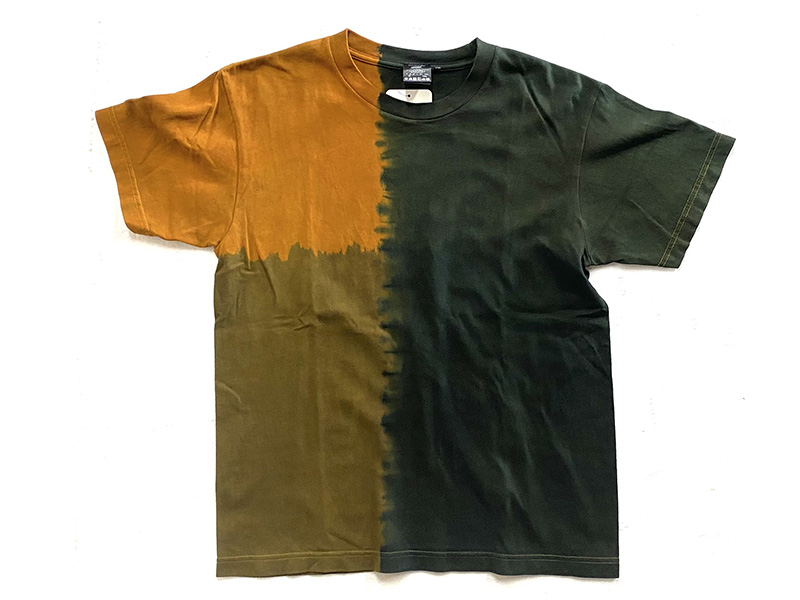
Mr. Yamamoto, a master dyer at Higo Senshoku, has launched a clothing brand inspired by mud-dyeing.The company’s spirit of both innovation and preservation is set to become a new ocean breeze that will carry this legacy across the world.
リメイク着物
remake of a kimono
綺綸堂
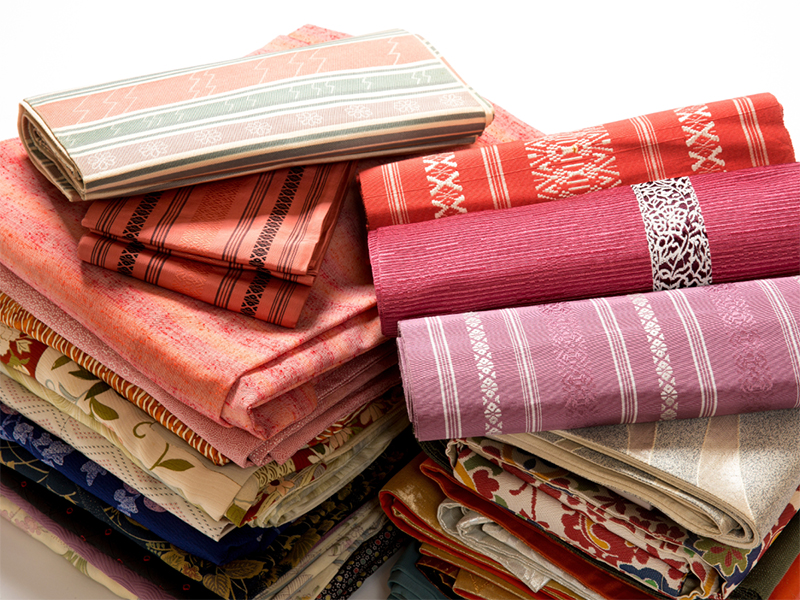
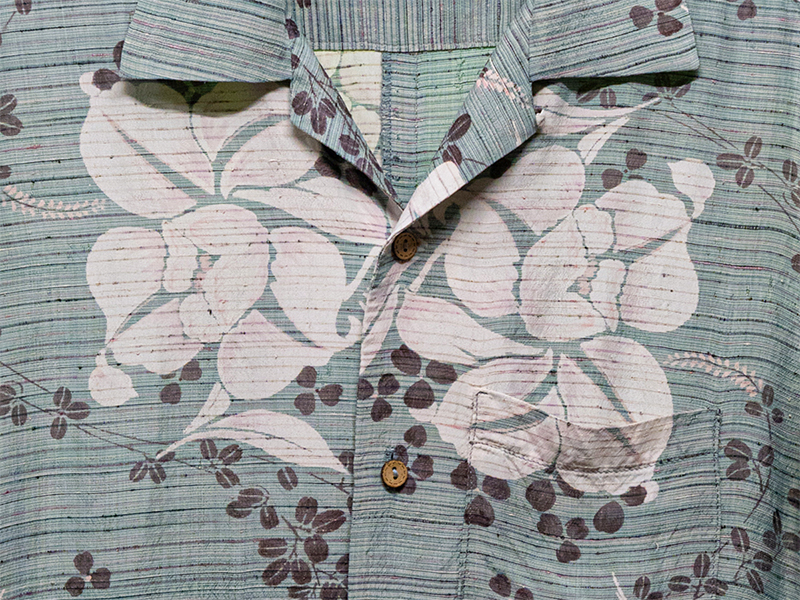
A one-of-a-kind shirt made from genuine kimono fabric—this fusion of Japanese tradition and modern style brings forth a truly special garment. Some of the kimono fabrics used are nearly 100 years old.
Many antique kimonos are made from 100% natural materials, and their fabrics showcase the exquisite craftsmanship of dyeing and weaving from the past. Breathing new life into inherited garments with meticulous techniques, these creations are truly worth admiring.


Episode 3
A Revived Radiance
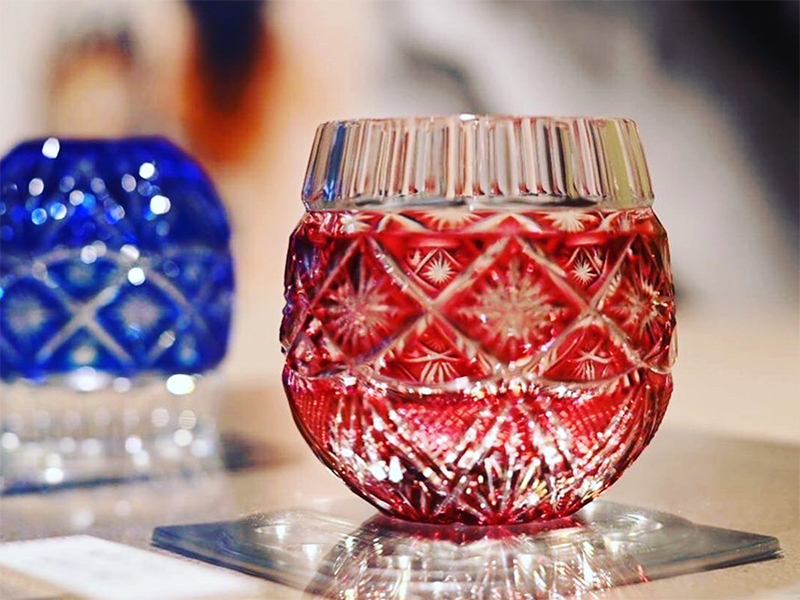
Satsuma Kiriko is a traditional craft nurtured in the early 19th century by the Shimazu lords Narioki and Nariakira of the Satsuma Domain. Its beautiful colored glass, adorned with delicate cuts, features a unique technique known as “bokashi,” earning global acclaim.
Though production ceased in the early Meiji era and it was long considered a lost art, passionate local artisans began efforts to research and revive it in the late Showa period. With few remaining records, they reconstructed techniques through surviving artifacts, old texts, and exported pieces.
As the specialized tools and machines had been lost, they had to be recreated from scratch, requiring great time and financial investment. Yet the artisans persevered and succeeded in reviving Satsuma Kiriko after over a decade of effort.
The warmth and clarity of this handmade glass now captivate people, earning high praise as gifts and interior pieces.
Satsuma Kiriko is a traditional craft nurtured in the early 19th century by the Shimazu lords Narioki and Nariakira of the Satsuma Domain. Its beautiful colored glass, adorned with delicate cuts, features a unique technique known as “bokashi,” earning global acclaim.
Though production ceased in the early Meiji era and it was long considered a lost art, passionate local artisans began efforts to research and revive it in the late Showa period. With few remaining records, they reconstructed techniques through surviving artifacts, old texts, and exported pieces.
As the specialized tools and machines had been lost, they had to be recreated from scratch, requiring great time and financial investment. Yet the artisans persevered and succeeded in reviving Satsuma Kiriko after over a decade of effort.
The warmth and clarity of this handmade glass now captivate people, earning high praise as gifts and interior pieces.
薩摩切子
Satsuma Kiriko
ガラス工房 弟子丸
Glass Studio Deshimaru
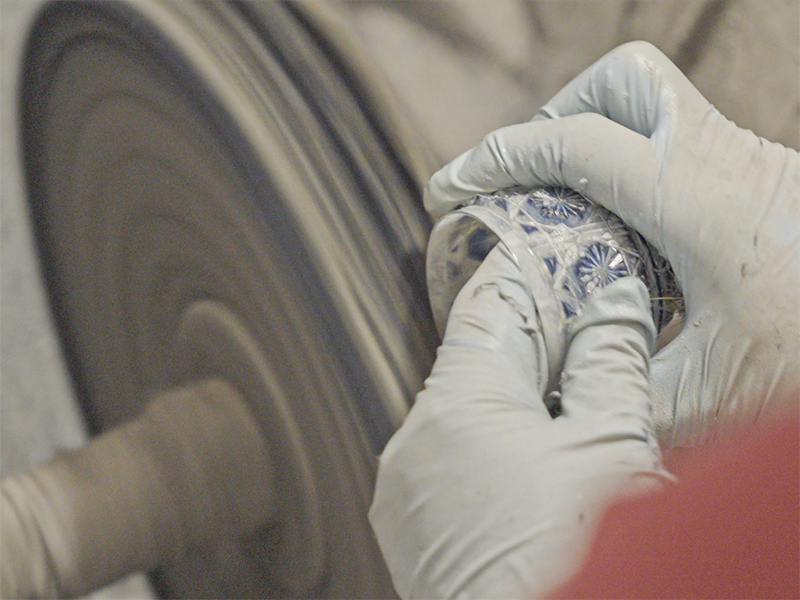
In a glass studio in Kirishima City, Kagoshima, only the sound of cutting and polishing glass fills the air, offering a serene atmosphere. The presence of many young artisans reflects strong interest in Satsuma Kiriko. Their focused gazes reveal pride in their craft and deep commitment.

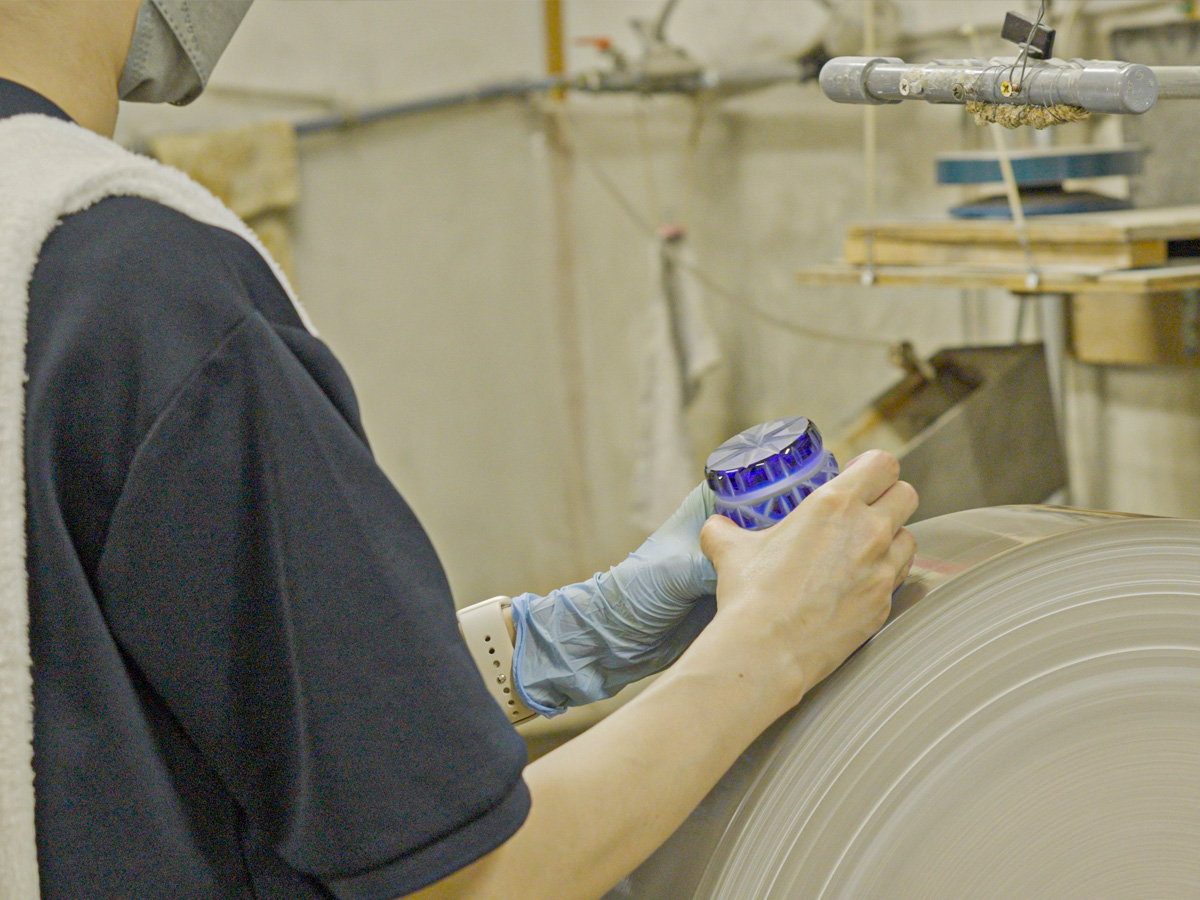
Mr. Deshimaru played a key role in the revival of Satsuma Kiriko. When he speaks of it, his eyes shine like a boy’s, filled with vision for the future.
His new brand “Kirishima Kiriko” inherits traditional techniques while incorporating fresh designs and ideas, resulting in modern kiriko pieces. Notable are works using difficult colors like black and clear, and those blending traditional patterns with contemporary flair. With firm steps on an uncharted path, he continues to carry tradition forward.
Episode 4
The spirit of Japan poured
into a single cup of tea.
Kagoshima Prefecture boasts the highest production of aracha (crude tea) in Japan. Its warm climate, fertile soil, and mineral-rich volcanic ash nurture aromatic, flavorful tea leaves.
Kagoshima’s green tea has a mild taste with little bitterness, making it popular both domestically and internationally, including among health-conscious consumers and luxury restaurants overseas.
Green tea is more than just a drink—it represents Japan’s spirit of hospitality and offers moments of calm in daily life. Brewing and savoring tea slowly symbolizes appreciation for nature and human connection.
At the core of the tea ceremony is “ichigo ichie”—treasuring the once-in-a-lifetime moment of sharing tea. In this ritual, host and guest show mutual respect and savor the experience wholeheartedly.
Today, the world is paying attention not only to the health benefits of tea but also to the calming cultural value of “tea time.”
Kagoshima’s green tea continues to be a treasured gift from Japan that soothes hearts and bodies across generations.
Kagoshima Prefecture boasts the highest production of aracha (crude tea) in Japan. Its warm climate, fertile soil, and mineral-rich volcanic ash nurture aromatic, flavorful tea leaves.
Kagoshima’s green tea has a mild taste with little bitterness, making it popular both domestically and internationally, including among health-conscious consumers and luxury restaurants overseas.
Green tea is more than just a drink—it represents Japan’s spirit of hospitality and offers moments of calm in daily life. Brewing and savoring tea slowly symbolizes appreciation for nature and human connection.
At the core of the tea ceremony is “ichigo ichie”—treasuring the once-in-a-lifetime moment of sharing tea. In this ritual, host and guest show mutual respect and savor the experience wholeheartedly.
Today, the world is paying attention not only to the health benefits of tea but also to the calming cultural value of “tea time.”
Kagoshima’s green tea continues to be a treasured gift from Japan that soothes hearts and bodies across generations.
日本茶
Japanese tea
末永製茶
Suenaga Tea
agoshima has long been a tea-growing region, and in 2024 it surpassed Shizuoka to become Japan’s top producer.
Its tea is known for a mild flavor with little bitterness—popular even among those unfamiliar with Japanese tea. Kagoshima is also a leading producer of organic tea, known for its safety due to minimal pesticide and chemical fertilizer use. This makes it highly valued in health-conscious Western and affluent Asian markets.
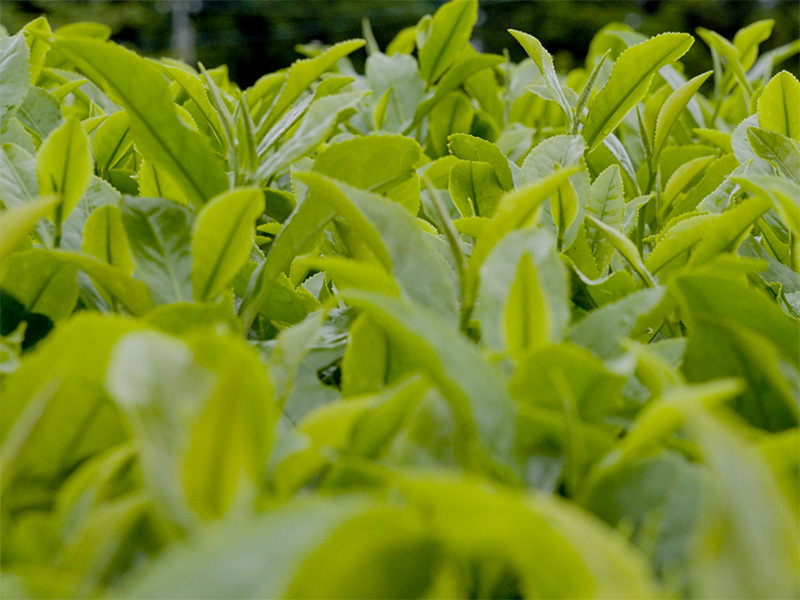

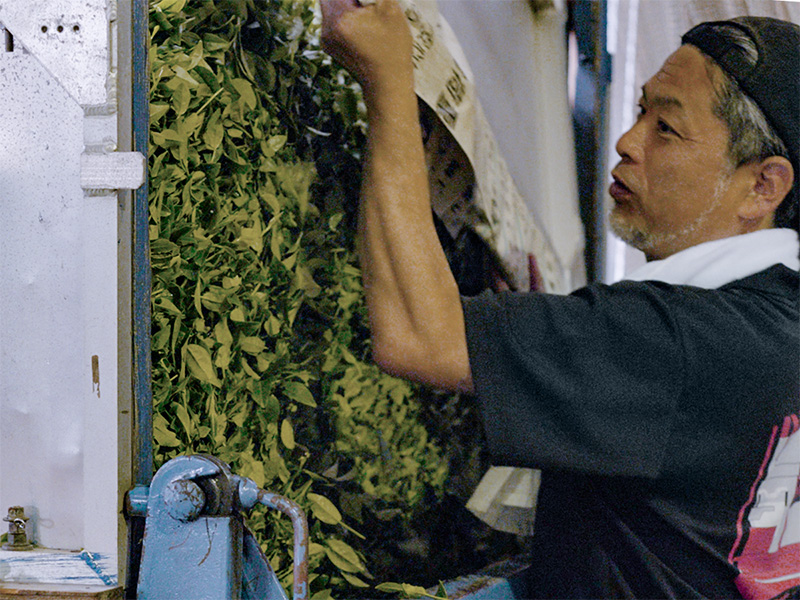
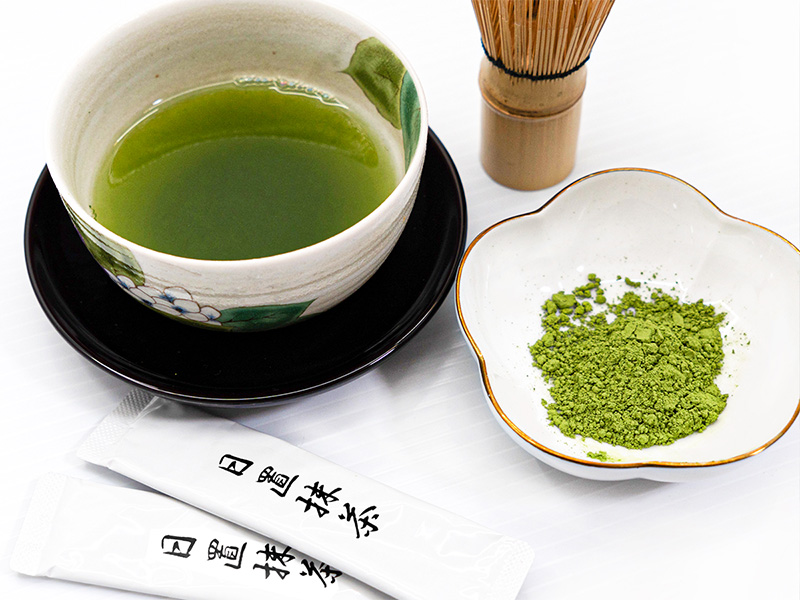
Suenaga Tea is located in Hioki City, central Kagoshima. Their massive factory steams, dries, and sorts fresh tea leaves, and a fine green powder covers the facility.
Hioki’s climate, with its temperature variations, enhances the tea’s aroma. Combined with well-drained soil and unique fertilizers, they have long produced high-quality aracha. Their dedication to taste is well worth a try.
Episode 5
Kagoshima – Japan’s Treasure Chest
Bathed in southern sunshine, Kagoshima is a land blessed with a warm climate and the unique Shirasu (volcanic ash) plateau.
Since ancient times, it has actively traded with China, the Ryukyu Kingdom, and Europe. This history of cultural exchange has shaped its rich character.
“Kagoshima Tea,” Japan’s top-produced tea, features a mellow flavor and rich aroma thanks to the region’s warm climate and well-drained Shirasu soil. It is now loved worldwide.
Kagoshima’s “black pork” and “black beef,” raised with traditional methods in a warm environment, boast fine texture and deep flavor. “Satsuma-imo” (sweet potatoes), grown in volcanic soil, are vital for producing shochu—a spirit whose culture is spreading globally.
Once called a “phantom craft,” Satsuma Kiriko is a product of sensitivity and technique gained through international exchange.
Let’s also turn to the islands.
Each island offers rich nature and culture distinct from the mainland. The southern islands, influenced by the Kuroshio Current and volcanic terrain, produce many unique specialties.
Amami Oshima’s “kokuto shochu” and “Oshima Tsumugi” reflect its ties to the Ryukyu Kingdom, mainland Japan, and China. Tokunoshima and Kikaijima are known for traditionally made brown sugar and fragrant sesame. Yakushima, a World Heritage site, offers “Yakushima tea,” “tankans” (oranges), and flying fish fritters filled with natural blessings. Tanegashima’s Anno Imo (Anno sweet potato) is known for its rich sweetness and is gaining attention as a premium ingredient for desserts.
Kagoshima’s specialties are true gems—woven from nature, history, and human wisdom. While we couldn’t introduce them all here, we invite you to enjoy the diverse charms nurtured across the seas.
Bathed in southern sunshine, Kagoshima is a land blessed with a warm climate and the unique Shirasu (volcanic ash) plateau.
Since ancient times, it has actively traded with China, the Ryukyu Kingdom, and Europe. This history of cultural exchange has shaped its rich character.
“Kagoshima Tea,” Japan’s top-produced tea, features a mellow flavor and rich aroma thanks to the region’s warm climate and well-drained Shirasu soil. It is now loved worldwide.
Kagoshima’s “black pork” and “black beef,” raised with traditional methods in a warm environment, boast fine texture and deep flavor. “Satsuma-imo” (sweet potatoes), grown in volcanic soil, are vital for producing shochu—a spirit whose culture is spreading globally.
Once called a “phantom craft,” Satsuma Kiriko is a product of sensitivity and technique gained through international exchange.
Let’s also turn to the islands.
Each island offers rich nature and culture distinct from the mainland. The southern islands, influenced by the Kuroshio Current and volcanic terrain, produce many unique specialties.
Amami Oshima’s “kokuto shochu” and “Oshima Tsumugi” reflect its ties to the Ryukyu Kingdom, mainland Japan, and China. Tokunoshima and Kikaijima are known for traditionally made brown sugar and fragrant sesame. Yakushima, a World Heritage site, offers “Yakushima tea,” “tankans” (oranges), and flying fish fritters filled with natural blessings. Tanegashima’s Anno Imo (Anno sweet potato) is known for its rich sweetness and is gaining attention as a premium ingredient for desserts.
Kagoshima’s specialties are true gems—woven from nature, history, and human wisdom. While we couldn’t introduce them all here, we invite you to enjoy the diverse charms nurtured across the seas.